When it comes to performance exhaust fabrication, the difference between a clean, high-performing system and a frustrating, failure-prone setup usually comes down to one thing — the details.
Whether you’re building a turbo system, fabricating a custom downpipe, or upgrading a naturally aspirated setup, small mistakes during fabrication can lead to:
- poor flow
- boost leaks
- vibration cracks
- excessive drone
- reduced performance
- premature rust
- costly rework
At RF Distributors, we work with exhaust builders, fabrication shops, racers, and DIY enthusiasts across South Africa every day — and we see the same mistakes happen repeatedly.
Here are the most common exhaust fabrication mistakes, and how to avoid them properly.
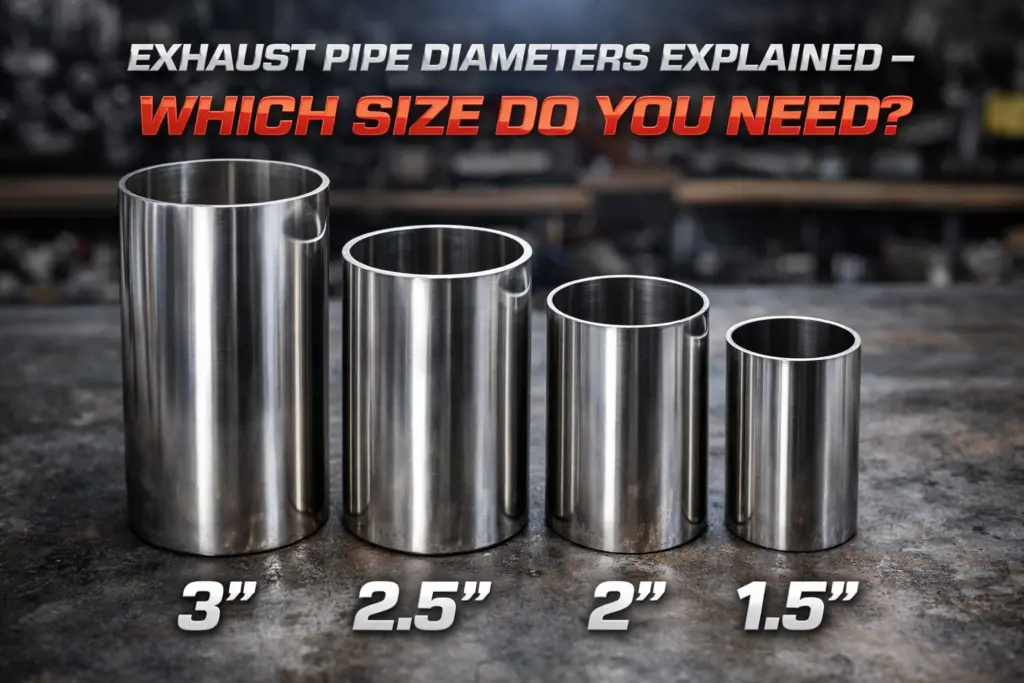
1. Choosing the Wrong Pipe Diameter
One of the biggest mistakes in custom exhaust fabrication is assuming “bigger is always better.”
Oversized exhaust piping can actually reduce exhaust gas velocity, hurting low-end response and making the vehicle feel lazy. On the other hand, piping that’s too small creates excessive restriction and backpressure.
Common Problems:
- Turbo lag
- Loss of torque
- Excessive drone
- Poor scavenging
- Reduced top-end power
The Fix:
Choose pipe diameter based on:
- engine size
- turbo size
- intended horsepower
- naturally aspirated vs turbo setup
- street vs track use
A properly sized system balances:
- flow
- gas velocity
- sound
- power delivery
Using the correct stainless steel straight pipe and reducers ensures smoother transitions throughout the system instead of sudden restrictions that disrupt airflow.
Reducers are especially important when transitioning:
- turbo outlet sizes
- downpipes
- muffler sections
- dual exhaust merges
2. Poor Flex Pipe Placement
A flex pipe is not just an optional extra — it’s one of the most important parts of an exhaust system.
Without a properly positioned flex pipe, engine movement transfers stress directly into the exhaust system. Over time this leads to:
- cracked welds
- broken hangers
- flange leaks
- snapped piping
Common Mistakes:
- Installing the flex too far down the system
- Mounting it near unsupported sections
- Using cheap low-quality flex joints
- Welding the flex under tension
The Fix:
A flex pipe should usually be positioned close to the engine where movement is greatest.
The goal is to absorb:
- engine movement
- vibration
- chassis flex
High-quality stainless steel flex pipes help protect the rest of the system and dramatically increase long-term durability.
This becomes even more important on:
- turbo vehicles
- lowered cars
- performance applications
- vehicles with stiffer engine mounts
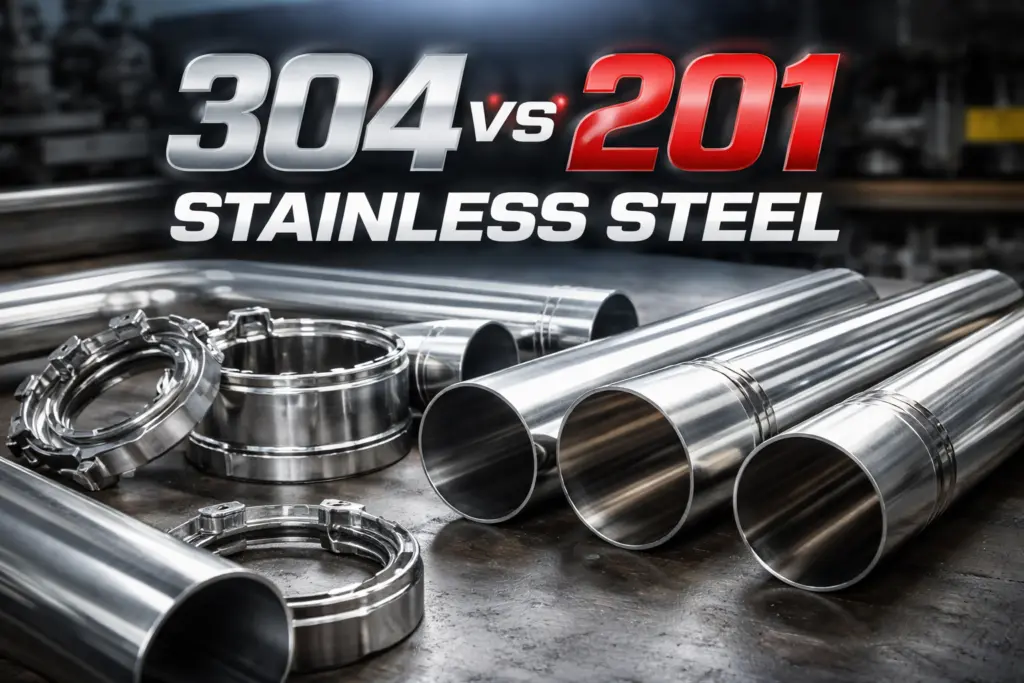
3. Mixing Stainless Steel Grades Incorrectly
One of the fastest ways to ruin a clean exhaust build is mixing incompatible materials.
Many fabricators combine:
- mild steel
- 201 stainless steel
- 304 stainless steel
without understanding the long-term effects.
What Happens:
- uneven corrosion
- weak weld areas
- premature rust
- inconsistent finish quality
Consistency matters.
Using matching stainless steel bends, reducers, clamps, and piping helps create a stronger, cleaner, and more professional exhaust system.
4. Bad Weld Preparation
Even experienced fabricators sometimes rush prep work — and it almost always shows later.
Poor weld prep creates:
- contamination
- weak penetration
- ugly welds
- pinhole leaks
Common Mistakes:
- welding dirty stainless steel
- not deburring cuts
- poor fitment between sections
- gaps between bends and reducers
- overheating material
The Fix:
Good fabrication starts before the welder is even switched on.
Proper preparation includes:
- cleaning all weld surfaces
- removing contaminants
- ensuring tight fitment
- aligning bends correctly
- tack welding properly before final welding
Precision-cut stainless steel bends and fabrication components make fitment significantly easier and reduce unnecessary fabrication time.
Better fitment means:
- cleaner welds
- less filler usage
- stronger joins
- improved appearance
5. Using Incorrect Bend Angles
Poor bend selection destroys flow.
Sharp or poorly planned bends create turbulence that affects exhaust scavenging and turbo efficiency.
Common Problems:
- restricted flow
- increased backpressure
- inconsistent sound
- poor turbo response
The Fix:
Use smooth mandrel bends designed specifically for exhaust fabrication.
Mandrel bends maintain internal diameter through the curve, unlike crushed bends that reduce flow area.
Choosing the correct:
- 45° bends
- 90° bends
- U-bends
- pie cuts
- tight-radius sections
helps maintain smoother exhaust flow throughout the system.
A properly planned exhaust route also:
- improves clearance
- reduces heat issues
- simplifies mounting
- creates a cleaner final result
6. Cheap Clamps Cause Exhaust Leaks
Many builders spend thousands on fabrication but try saving money on clamps.
That usually ends badly.
Low-quality clamps often lead to:
- exhaust leaks
- vibration loosening
- poor sealing
- warped connections
This is especially problematic on turbo systems where boost leaks and pressure inconsistencies become major issues.
The Fix:
Use quality stainless steel exhaust clamps and V-band clamp systems.
V-band setups are popular in performance fabrication because they offer:
- strong sealing
- quick disassembly
- easier maintenance
- cleaner appearance
- improved reliability
They’re ideal for:
- turbo setups
- modular exhaust systems
- downpipes
- race applications
A proper clamp setup makes future servicing dramatically easier while reducing the risk of leaks.
Final Thoughts
Great exhaust fabrication is about more than just welding pipe together.
A properly designed system should:
- flow efficiently
- handle heat correctly
- resist cracking
- maintain durability
- allow easy servicing
- deliver consistent performance
Avoiding these common fabrication mistakes helps create exhaust systems that not only perform better — but also last longer and look more professional.
Whether you’re building a street car, race car, turbo conversion, or full custom setup, using quality stainless steel fabrication components makes all the difference.
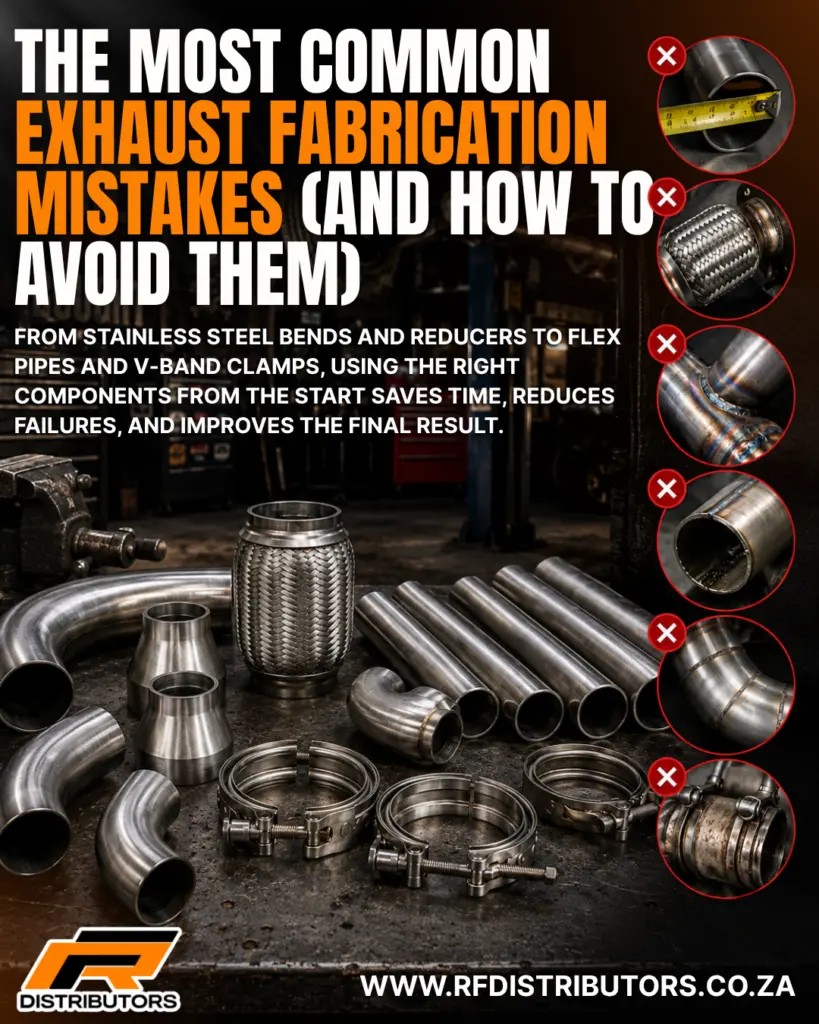
From stainless steel bends and reducers to flex pipes and V-band clamps, using the right components from the start saves time, reduces failures, and improves the final result.